HVAC Short Cycling: Causes, Fixes, and Warning Signs
Learn what short cycling means, why your AC or furnace turns on and off too often, which fixes you can check yourself, and when to call an HVAC pro.
Articles on this site may include sponsored content. If they do, it's labeled clearly - and it still has to answer a real homeowner question. Same bar as everything else here.
Short Cycling: What It Means
Your AC kicks on. You hear the outdoor unit hum to life. You settle into your chair expecting cool air in a few minutes. Then - click. It shuts off. Thirty seconds later it starts again. Click. Off. On. Off. On. It’s like your system has ADHD and can’t commit.
This is short cycling. It’s not normal. It’s not something you should just live with. And it’s one of the most common - and most misunderstood - HVAC problems homeowners face.
Short cycling means your heating or cooling system runs for a very short period (usually under a few minutes) and then shuts off, only to restart a short time later. A healthy system should run in cycles of 10-15 minutes on mild days and 20-30 minutes or more on extreme days. If your AC runs for hours without shutting off instead, that is a different pattern - use the AC running constantly guide to decide whether it is normal heat wave behavior or a problem.
The kicker: short cycling doesn’t just waste energy and money. It actively damages your equipment. Every start-up puts stress on the compressor, the blower motor, and the electrical components. Short cycling accelerates wear and dramatically shortens your system’s lifespan.
Quick Answers
Q: What is short cycling in simple terms?
Short cycling is when your HVAC system turns on and off too frequently - running for just a minute or two before shutting down, then restarting shortly after. A normal cycle lasts 10-30 minutes depending on the weather.
Q: Is short cycling bad for my HVAC system?
Yes. Short cycling is actively harmful. It stresses the compressor, increases wear on electrical components, wastes energy, and reduces the system’s ability to dehumidify your home. Left unchecked, it can lead to premature system failure.
Q: Can I fix short cycling myself?
Some causes - like a dirty filter or a thermostat on the wrong setting - are easy DIY fixes. Others - like a refrigerant leak or electrical problem - require a licensed pro. This guide covers both, so you know what to try and when to call.
The most common cause: a dirty air filter
I’m going to start with the boring answer because it’s the most common one. A dirty air filter is the #1 cause of short cycling. It’s also the easiest and cheapest thing to check.
Here’s what happens: your air filter traps dust, pet hair, and debris. Over time, it gets clogged. When the filter is clogged, airflow drops. The system can’t pull enough air across the indoor coil. The coil gets too cold (in cooling mode) or too hot (in heating mode). The safety sensors trip and shut the system down to prevent damage.
The system restarts a few minutes later, and the same thing happens again. On. Off. On. Off.
The fix: check your air filter. If it looks dirty, replace it. Standard 1-inch filters should be changed every 1-3 months. High-MERV filters (those with ratings above 8) can restrict airflow even when they look clean, so follow the manufacturer’s recommendation. If you are not sure what interval fits your home, the HVAC filter change guide explains how pets, dust, run time, and filter type change the schedule.
After you replace the filter, let the system run a full cycle and see if the short cycling stops. If it does, congratulations - you just saved yourself a service call.
Thermostat problems
Your thermostat is the brain of your HVAC system. If it’s sending bad signals, the system doesn’t know what to do.
Thermostat placement matters
If your thermostat sits in a spot that doesn’t reflect the actual home temperature, it can cause short cycling. If that sounds familiar, the thermostat placement guide walks through the rooms and wall locations that most often create bad readings. Common problem locations include:
- Direct sunlight (the thermostat thinks it’s hotter than it really is)
- Near a supply vent (blasts of conditioned air hit the sensor and trick it)
- Near a drafty window or door
- In a poorly insulated room that heats up or cools down quickly
The thermostat senses that the temperature has reached the set point and shuts the system down. But the rest of the house hasn’t caught up yet. A few minutes later, the sensor changes its mind and calls for more heating or cooling, and the cycle repeats.
The fix: you can try relocating the thermostat yourself, but running new thermostat wire through walls is tricky. A simpler solution - at least as a test - is to use a wireless remote sensor that sits in a more neutral location. Many smart thermostats support this.
Faulty thermostat operation
Sometimes the thermostat itself is malfunctioning. The temperature sensor can drift out of calibration. The internal relay can stick or chatter. The batteries can be low (on a battery-powered unit), causing intermittent operation.
The fix: try replacing the batteries first. If that doesn’t help, clean the inside of the thermostat (dust can interfere with sensors). If it’s still acting up, try a different thermostat temporarily to see if the problem follows the thermostat or stays with the system.
The “auto” vs “on” fan setting
This one catches a lot of people. If your thermostat fan is set to “ON” instead of “AUTO,” the blower runs continuously even when the system isn’t heating or cooling. This can cause the thermostat to sense fluctuating temperatures and cycle the system on and off more frequently.
The fix: switch your fan setting to “AUTO” and see if the short cycling stops. You’ll still get good air circulation - the fan runs whenever the system runs, and modern systems run often enough to keep air moving.
System size problems
This one is harder to fix because it’s a design issue, not a component issue. But it’s worth understanding because it affects so many homes.
An oversized system short-cycles by nature
If your HVAC system has more capacity than your home needs, it will reach the set temperature quickly and shut off. That sounds good in theory, but in practice it means the system runs for very short periods - often just a few minutes - before shutting down.
Consider an extreme example: a 5-ton AC unit in a 1,200-square-foot apartment. It cools the space to the set point in under five minutes. Then it shuts off. Then the apartment heats back up quickly (because it’s not well-insulated or because of the humidity that wasn’t removed during the short run), and the system restarts. On. Off. On. Off. All day.
This is incredibly common in homes where the original contractor used a rule-of-thumb sizing method instead of a proper Manual J load calculation. It’s also common when a homeowner replaces a system and tells the contractor “I want something with more power this time.” They get what they asked for - and it works terribly.
An oversized system also fails to dehumidify. Dehumidification requires extended run time - the coil needs to get cold and stay cold long enough to condense moisture out of the air. Short cycling doesn’t allow that. So the home stays cool but clammy, and the thermostat reads 72°F while you’re still sweating. If the main symptom is sticky air instead of rapid starts, the humid house with AC guide covers that pattern separately.
The fix is replacement
Unfortunately, there’s no cheap fix for an oversized system. You can’t “detune” a system to reduce its capacity. The only real solution is to replace the equipment with a properly sized unit. This is expensive, but the ongoing energy waste and comfort problems from an oversized system are also expensive - just spread out over time.
A proper Manual J load calculation from a qualified contractor is the only reliable way to determine the right size for your home. If you’re replacing a system, insist on this before you buy anything, then use the HVAC replacement quote guide to make sure the proposal explains sizing instead of just tonnage.
Refrigerant issues
Low refrigerant isn’t just a cooling problem - it can also cause short cycling. Here’s how it works.
Your AC system uses refrigerant to absorb heat from indoor air and release it outside. When refrigerant is low (usually due to a leak), the system can’t absorb heat effectively. The indoor coil gets colder than normal, and eventually ice forms on it. Ice insulates the coil, making heat transfer even worse.
Some systems have a low-pressure safety switch that shuts the compressor off when the refrigerant pressure drops too low. The system restarts after a few minutes, the pressure drops again, and it shuts off again. Short cycling.
Other systems don’t have a low-pressure switch and will keep running - resulting in a frozen coil and eventual compressor damage. Neither scenario is good.
The fix for refrigerant-related short cycling is the same as for low refrigerant in general: find and repair the leak, then recharge the system. The low refrigerant warning signs guide covers the clues homeowners can notice before a tech confirms the charge. This requires a licensed technician with the right tools. You cannot fix this yourself.
Electrical problems
Sometimes short cycling is caused by an electrical fault. The system tries to start, draws too much current, and a safety trips. Then it resets and tries again.
Bad capacitor
The capacitor is like a battery that gives the compressor and fan motor a jolt of energy to start. When capacitors fail, they can’t provide enough starting power. The compressor tries to start, struggles, overheats, and the internal overload protector trips. A few minutes later, it tries again.
This often sounds like a clicking noise from the outdoor unit - click (trying to start), pause, click (trying again), pause.
Failing contactor
The contactor is a relay that sends power to the compressor and fan. Over time, the contact points can corrode or pit, causing intermittent power delivery. The compressor starts, loses power, stops, and restarts when the contactor makes contact again.
Overheating compressor
An aging compressor that’s nearing the end of its life may run hot. The internal overload protector trips to save it from self-destructing. It cools down, resets, and the compressor runs again - until it overheats again.
None of these electrical fixes are DIY unless you have HVAC electrical experience. Capacitors can store lethal charges even when the power is off. Call a pro.
Airflow restrictions beyond the filter
A dirty filter is the most common airflow restriction, but it’s not the only one. If an HVAC tech mentions pressure readings, the static pressure explainer gives you the plain-English version of what they are measuring.
- Dirty evaporator coil: The indoor coil can accumulate dust and grime over time, especially if the filter has been neglected. Dirty coils don’t transfer heat well, causing the same short-cycling response as a dirty filter.
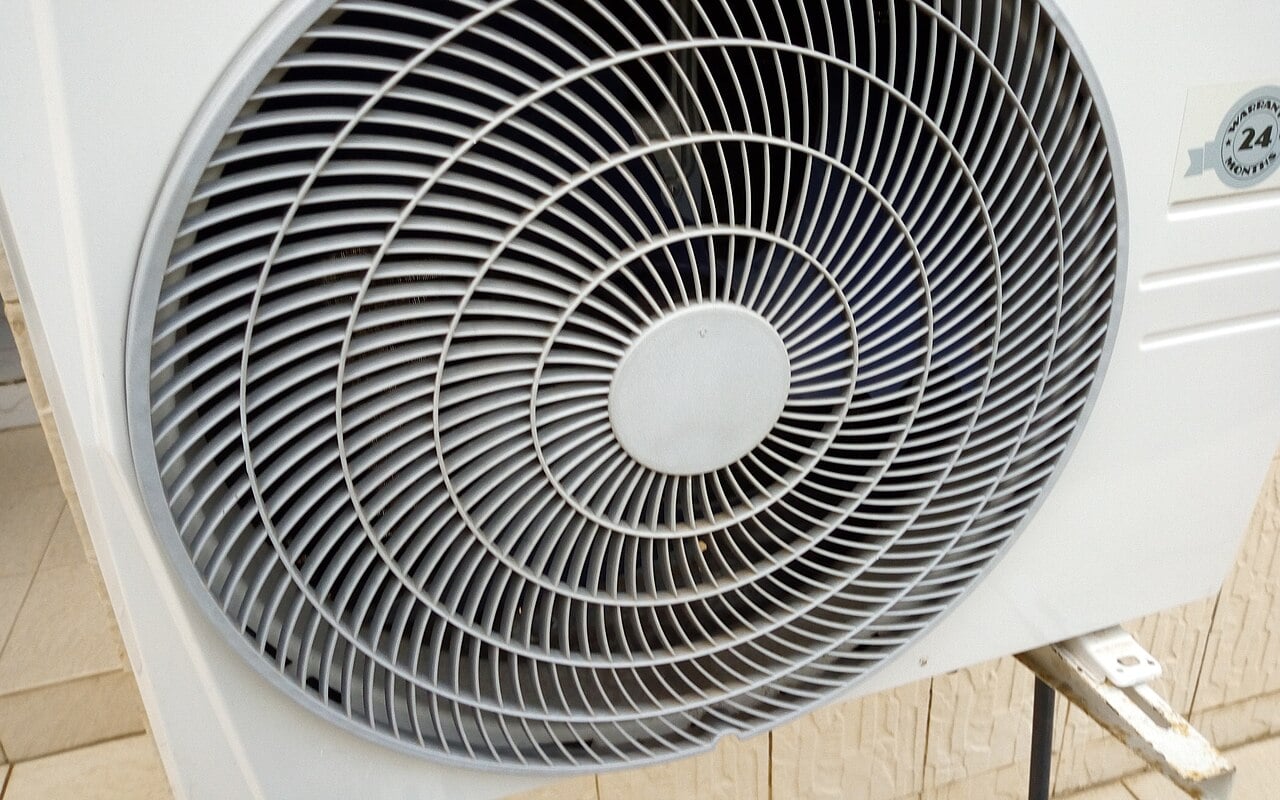
- Dirty condenser coil: The outdoor coil can get clogged with grass, dirt, leaves, and cottonwood fluff. This reduces the system’s ability to dump heat outside, causing high pressure and short cycling.
- Closed or blocked vents: If you’ve closed supply vents in unused rooms (thinking you’re saving energy), you’re actually increasing static pressure in the ductwork, which reduces airflow and can trigger short cycling. The supply vents vs return vents guide explains why blocking either side of the system causes comfort problems.
- Collapsed or blocked ductwork: Flex duct can crush, sag, or get punctured. Sheet metal ducts can separate at joints. Animals can build nests in ducts. Any of these can restrict airflow enough to cause problems. If the issue sounds duct-related, compare it with the duct leak signs and repair options guide.
The fix: check your vents first - make sure they’re all open. Then check your outdoor unit - clear away debris and hose off the coil fins (gently, with a garden hose, not a pressure washer). For the broader service list, use the HVAC maintenance checklist to see what a tune-up should cover. If the problem persists, have a technician inspect the indoor coil and ductwork.
Thermostat settings that mimic short cycling
This one is a matter of perception rather than a true mechanical problem, but it’s worth mentioning because it’s so common.
Programming or scheduling
If you have a programmable thermostat that changes temperature settings frequently - say, 72°F at 6 PM, 70°F at 8 PM, 72°F at 10 PM - the system will respond to each change by running a short cycle. This isn’t technically short cycling, but it feels the same to you: the system runs for a few minutes, shuts off, starts again, shuts off.
The fix: reduce the number of temperature changes in your schedule. Most programmable thermostats work best with 2-4 temperature changes per day. Or switch to a smart thermostat that learns your patterns and adjusts gradually.
Thermostat anticipation
Older mechanical thermostats use a small heater inside the thermostat to anticipate when the set temperature is about to be reached. This “anticipator” can wear out or be adjusted improperly, causing the system to cycle on and off more frequently than it should.
If you have an old round thermostat with a mercury switch and you notice short cycling, the anticipator setting may need adjustment. This is a simple fix (a small lever with numbers), but newer digital and smart thermostats handle this automatically.
The bottom line on short cycling
Short cycling is not a mystery. It’s a symptom with a handful of well-understood causes. Start with the cheapest and easiest fix - check and replace your air filter. Move on to thermostat placement and settings. If those don’t resolve it, the problem is likely electrical, refrigerant-related, or a system sizing issue - all of which require a licensed professional.
Don’t ignore short cycling. It’s not just annoying - it’s actively damaging your equipment and wasting your money. A system that short-cycles uses more energy per cooling or heating delivered, and it wears out faster. If the system is already old, the HVAC system lifespan guide can help you decide whether repeated short-cycling repairs are a warning sign. Fixing the problem now saves you both the headache and the repair bill later.
When you call a pro, tell them what you’ve already checked. It saves them time and saves you money. A good technician will appreciate that you’ve done the basic troubleshooting and can focus on the deeper diagnosis.
Quick Answers
Q: Can short cycling damage my compressor?
Absolutely. The compressor experiences the most stress during start-up - high current draw, high pressure differentials, and lubricant displacement. Every start-up cycle wears it a little more. Chronic short cycling can kill a compressor in months instead of years.
Q: How do I know if my system is short cycling or just running normally?
Time the cycles. A healthy system should run for at least 10 minutes per cycle on a normal day. If your system consistently runs for less than 5 minutes and then shuts off, it’s short cycling. Also listen for unusually rapid restarting - turning back on within 1-3 minutes of shutting off.
Q: Will short cycling cause my energy bill to go up?
Yes. Starting up an HVAC system draws a surge of electricity - much more than steady-state running. Each start-up peak adds to your energy consumption. The more frequently the system starts, the more energy it wastes. The exact amount depends on your system and climate, but expect a noticeable increase.
Q: Is short cycling the same as “the system running constantly”?
No, those are opposite problems. Short cycling means it turns on and off too frequently. Running constantly means it never shuts off. Running constantly usually means the system is undersized, has a significant duct leak, or has a thermostat set well beyond what the system can deliver. Both are bad - just in different ways.
Q: Can a smart thermostat fix short cycling?
A smart thermostat can help with some causes - it can compensate for poor placement by averaging remote sensor temperatures, and it can smooth out temperature swings with adaptive recovery algorithms. But it cannot fix short cycling caused by a dirty filter, low refrigerant, an oversized system, or electrical faults. Don’t buy a smart thermostat expecting it to solve a mechanical problem.
Q: My heat pump short-cycles in winter - is that different?
Heat pumps short-cycle for the same reasons as AC systems: dirty filters, airflow restrictions, refrigerant issues, and electrical problems. But heat pumps have an additional potential cause: the defrost cycle. If the system is entering defrost too frequently or running the defrost cycle repeatedly, it can look like short cycling. This is a control board or sensor issue that requires a technician to diagnose.