Why Your House Feels Humid With the AC Still Running
Your AC says 72 but the air feels sticky. Here's why it's not removing humidity - oversized units, short cycling, dirty coils - and how to fix it.
Articles on this site may include sponsored content. If they do, it's labeled clearly - and it still has to answer a real homeowner question. Same bar as everything else here.
Why Your House Feels Humid With the AC On
You walk into your house. The thermostat reads 72 degrees. Everything looks fine. But something is off. The air feels heavy. Your skin feels slightly damp. That cotton t-shirt you put on this morning feels like it’s clinging to you. You check the thermostat again. 72 degrees, 68 percent humidity. That’s the problem right there.
Your AC is cooling the air, but it’s not drying it. And when the air is humid, 72 degrees feels like 78. You’re paying to be uncomfortable.
Here’s what’s happening: your air conditioner has two jobs - lowering temperature and removing humidity. Most people only think about the first job, but the second one is just as important for comfort. When conditions are perfect, a properly running AC pulls moisture out of the air by running the air across a cold evaporator coil. Water condenses on the coil, drips into a pan, and drains away. But several common problems can break this dehumidification process.
Let’s walk through each one.
Quick Answers
Q: Why is my house humid even though the AC is running?
The most common reason is that your AC isn’t running long enough to remove humidity. When the system short cycles - turns on and off frequently - the evaporator coil doesn’t stay cold long enough for condensation to form and drain. This is often caused by an oversized AC unit, a dirty filter restricting airflow, or improperly set blower fan speeds.
Q: Is 60% humidity too high inside a house with the AC on?
Yes. Ideally, indoor humidity should stay between 30% and 50%. Above 60%, the air feels sticky, mold and dust mites thrive, and you’re at risk for condensation on cold surfaces (windows, walls, ducts) that can lead to water damage and mold growth. If your AC is running and the humidity is above 55%, something is wrong with your dehumidification.
Q: Can I fix high humidity without replacing my AC?
In many cases, yes. Slowing down the blower fan speed, setting the thermostat fan to AUTO instead of ON, checking and cleaning the evaporator coil, ensuring the condensate drain isn’t blocked, and adding a whole-house dehumidifier are all ways to improve humidity control without buying a new system. Some of these are cheap DIY fixes.
Your AC is too big for your house
This is the most common cause of humidity problems in newer homes - and it’s completely counterintuitive. You’d think a bigger AC would cool faster and work better. But in humid climates, bigger is worse.
Here’s why. An air conditioner removes humidity by running long enough for the evaporator coil to get cold and stay cold. When warm, humid air passes over a cold coil, moisture condenses out of the air like water on a glass of iced tea. That condensation drips into the drain pan and leaves your home.
This process takes time. The coil needs to reach its operating temperature (usually around 40°F to 45°F). Then it needs to stay at that temperature long enough for moisture to continuously collect and drain. In a properly sized system, this means run cycles of 15 to 30 minutes or more on a warm day.
An oversized system cools your house fast - maybe in 8 to 10 minutes. The thermostat hits the set point, the system shuts off, and the coil never spent enough time at the right temperature to condense meaningful moisture out of the air. The result: you get cool, clammy air instead of cool, dry air.
Here’s the other part that makes it worse. After the system shuts off, the cold coil is still sitting in the air stream. The water that did condense on the coil re-evaporates back into the airstream when the fan runs or when the next breeze hits it. So not only did the system fail to remove humidity - it may have put some back.
How to tell if your AC is oversized
- Your system runs for less than 10 minutes per cycle on a 90°F day
- The house hits the set temperature very quickly but the air feels damp
- Your system cycles on and off frequently (short cycling) even on moderate days
The fix for an oversized system is replacement with a properly sized unit. That’s expensive, but there are workarounds: lowering the blower speed (which slows down the air moving across the coil, giving it more time to condense moisture), or adding a whole-house dehumidifier that runs independently of the AC.
Your fan is set to ON instead of AUTO
This is the easiest fix on the list. Check your thermostat right now. Is the fan setting on “ON” or “AUTO”?
If it’s set to ON, the blower runs continuously - even when the AC compressor isn’t running. That means warm, humid air is constantly being blown across a wet evaporator coil. Remember the condensation that collected on the coil while the AC was running? The continuous fan re-evaporates that moisture right back into your living space.
The net effect: your AC pulls some moisture out of the air during the cooling cycle, then the fan re-adds it between cycles. You end up with basically zero net dehumidification.
When ON might be acceptable
Running the fan continuously does help with air mixing and temperature equalization between rooms. If you live in a dry climate (where outdoor humidity is naturally low), the ON setting is less of an issue. But if you’re in a humid climate and you’re struggling with indoor humidity, switch the fan to AUTO immediately. You can always run the fan manually for a few hours if you need air movement.
Some modern thermostats have a “Circulate” setting that runs the fan for a few minutes each hour. This is a reasonable compromise - it keeps air moving without continuously blowing air across a wet coil.
The blower is moving air too fast
Your AC blower has multiple speed settings. The factory default is usually “medium-high,” designed to move a lot of air and satisfy the thermostat quickly. But in humid climates, that default setting often moves air across the coil too fast for effective dehumidification.
Think of it like a car driving through a car wash. If you drive through too fast, the soap doesn’t have time to work. The same principle applies to your AC coil - air moving too quickly doesn’t have enough contact time with the cold surface for moisture to condense.
The temperature split tells the story
An HVAC technician measures the “split” - the temperature difference between the return air (warm air entering the system) and the supply air (cold air leaving the coil). A proper split is 15°F to 20°F. If the split is less than 15°F, the airflow may be too fast. If it’s more than 20°F, the airflow may be too slow.
Slowing the blower speed to the next lower setting can improve dehumidification significantly. Some modern variable-speed systems have a “dehumidify” mode that automatically slows the blower when humidity is high, even if the temperature is already satisfied.
This adjustment is a simple change for an HVAC technician - usually just moving a wire on the blower control board or changing a dip switch setting. It costs an hour of labor and can transform how your system handles humidity.
Refrigerant problems
Your AC’s refrigerant charge needs to be exactly right for the system to both cool and dehumidify effectively. If the charge is off, the coil temperature is wrong, and moisture removal suffers.
Low refrigerant kills dehumidification
When refrigerant is low (usually from a leak), the evaporator coil doesn’t get as cold as it should. A coil that’s only 55°F instead of 45°F can still cool the air, but it’s not cold enough to condense moisture effectively. The result: the air coming out of the vents feels cool but not particularly dry, and the humidity in the house stays high.
Low refrigerant also causes the system to run longer, trying to satisfy the thermostat. This can make the house feel cool but dank - like the inside of a refrigerator that hasn’t been cleaned.
Overcharged refrigerant is also a problem
Too much refrigerant is less common, but it can also cause humidity issues. An overcharged system can flood the compressor, reduce efficiency, and cause erratic coil temperatures. The system may short-cycle on high-pressure safety limits, further compromising dehumidification.
The fix for refrigerant issues is a professional inspection. A technician will check pressures, superheat, and subcooling to determine whether the charge is correct. If the symptoms point toward low charge, compare them with the low refrigerant warning signs before you call. If it’s low, they’ll find and repair the leak before recharging. Do not add refrigerant without fixing the leak - it will just leak out again.
Dirty components reduce heat transfer
Your AC removes humidity by transferring heat from the air to the refrigerant. Anything that interferes with that heat transfer makes the system less effective at both cooling and dehumidification.
Dirty evaporator coil
The indoor coil sits in the air stream, constantly filtering the air that passes through it. Over time, it accumulates a layer of dust and grime - especially if the air filter hasn’t been changed regularly. This layer acts as insulation, preventing the coil from getting as cold as it should and reducing the contact between the air and the cold surface.
A dirty evaporator coil can reduce dehumidification by 30% or more. The fix is professional cleaning. Some coils can be cleaned with a foaming coil cleaner and a gentle rinse. Others need to be removed and cleaned thoroughly. If your coil has never been cleaned and your system is more than five years old, this is worth doing.
Dirty condenser coil
The outdoor coil also affects humidity. If the condenser coil is clogged with dirt, grass, leaves, and cottonwood fluff, the system can’t reject heat effectively. The compressor runs hotter, pressures rise, and the system may short-cycle on high-pressure limits - or just run less efficiently. Either way, dehumidification suffers.
Hose off your outdoor unit once or twice a year during the cooling season. Turn the power off first, remove the top grille (if accessible), and spray from the inside out to push debris through the fins. A garden hose is all you need - stay away from pressure washers, which can bend the delicate aluminum fins.
Dirty air filter
This one is simple: a dirty filter reduces airflow across the evaporator coil. Less airflow means less contact time with the cold coil, which means less moisture removal. Change your filter every one to three months, and use the HVAC filter change guide if you are not sure what schedule fits your house. If you have pets or allergies, change it monthly.
The condensate drain is clogged
Here’s one that surprises homeowners. Your AC pulls water out of the air - sometimes gallons per day, depending on the humidity level. That water has to go somewhere. It drips off the evaporator coil, into a drain pan, and flows through a condensate drain line to the outside of your home.
If that drain line gets clogged (usually by algae, mold, or debris), the water backs up in the pan. Modern systems have a float switch that shuts the system off when the pan gets full - which means no cooling and no dehumidification until the drain is cleared. But older systems without a float switch will keep running, and the standing water in the pan can re-evaporate back into the air stream, actually adding humidity to your home.
The fix: pour a cup of vinegar or bleach down the condensate drain line once a year to kill algae and prevent clogs. If the line is already clogged, a wet-dry vacuum on the outdoor end of the line usually clears it. If there’s standing water in the pan, check for mold - if you find it, have the pan cleaned and disinfected by a pro.
Your house is pulling in humid outdoor air
Sometimes the problem isn’t your AC at all - it’s your house. Modern homes are far from airtight, and every leak, crack, and gap pulls in outdoor air. When that outdoor air is humid (which it usually is during summer in most of the country), your AC is fighting a losing battle. Leaky ductwork can make that worse, so compare the symptoms with the duct leak testing and repair guide if rooms feel damp and uneven.
Common air infiltration points
- Windows and doors - weatherstripping dries out and gaps open up over time
- Attic hatch - warm, humid attic air can leak down into the living space
- Dryer vents and bath fans - when these run, they depressurize the house and pull in outdoor air through any other gaps
- Crawlspace or basement - humid air from below can migrate up into the living space
- Electrical outlets and switch plates - on exterior walls, these are often unsealed
Sealing these air leaks is a low-cost, high-impact project. Caulk, spray foam, and weatherstripping are the tools. Focus on the attic first - sealing the top of the house (the attic floor) has the biggest impact on both humidity and energy bills.
Your windows are single-pane or drafty
Old windows are essentially holes in your wall that happen to be transparent. In humid weather, warm outdoor air condenses on the cold glass surface, and that moisture can keep indoor humidity higher than it should be - especially in rooms with a lot of window area.
Storm windows, window film, or replacement windows all help. In the short term, heavy curtains or cellular shades create an insulating air gap between the window and the room, which helps.
The humidity is coming from inside
Sometimes the moisture source is inside your house - and your AC can’t keep up with it.
Too many people doing too many things
Every shower, every pot of boiling pasta, every load of laundry, and every breath you take adds moisture to the air. A family of four doing normal daily activities can add 3 to 5 gallons of water to the indoor air per day.
In a well-sealed house, that moisture accumulates. If your AC isn’t running long enough to pull it out, the humidity climbs. Simple habits help: run the bathroom exhaust fan during and after showers, use the kitchen exhaust fan when cooking, and avoid drying laundry indoors on racks during humid weather.
A basement or crawlspace moisture problem
If you have a damp basement or crawlspace, that moisture is migrating into your living space. A basement dehumidifier is often the most effective fix. For crawlspaces, a vapor barrier on the ground and sealed crawlspace vents can dramatically reduce moisture migration.
What to check in order
Here’s a step-by-step action plan, from cheapest to most expensive.
Step 1: Check your thermostat fan setting. Change it from ON to AUTO if it’s set to ON. Cost: free.
Step 2: Change your air filter. A dirty filter reduces airflow and hurts dehumidification. Cost: $5 to $15.
Step 3: Check your condensate drain line. Pour a cup of vinegar down the line to clear any algae. Make sure water is draining outside. Cost: $1.
Step 4: Hose off your outdoor condenser unit. Clear away leaves, grass, and debris from the coil. Cost: free.
Step 5: Close windows and doors. If you’ve been opening windows at night, stop. Your AC can’t dehumidify the outdoors. Cost: free.
Step 6: Reduce indoor moisture sources. Run exhaust fans during showers and cooking. Don’t dry clothes indoors. Cost: free.
Step 7: Get your evaporator coil cleaned. If it’s never been cleaned, this can significantly improve performance. Cost: $150 to $400.
Step 8: Have a technician check your blower speed. Slowing it down can improve dehumidification. Cost: $100 to $200.
Step 9: Have a technician check refrigerant charge. Low refrigerant needs to be found and fixed, not just topped off. Cost: $200 to $800 depending on the repair.
Step 10: Consider a whole-house dehumidifier. If you’ve done everything else and humidity is still above 55%, a whole-house dehumidifier that works independently of your AC is the definitive solution. Cost: $1,500 to $3,000 installed.
Related comfort checks
If the humidity problem overlaps with another symptom, use these next:
- If the equipment barely shuts off, read why your AC runs constantly.
- If one area stays sticky or warm, compare it with why one room is hotter or colder.
- If airflow feels weak, start with supply vents vs return vents and static pressure explained.
- If outdoor air is part of the moisture problem, read fresh air ventilation basics and indoor air quality upgrades that matter.
- If replacement is on the table, compare mini-splits vs central HVAC and SEER2 ratings without the sales language.
Quick Answers
Q: Does a higher thermostat setting cause higher humidity?
Indirectly, yes. When you set your thermostat higher (say, 78 instead of 72), the AC runs less - which means fewer opportunities to remove humidity. The air may feel just as sticky at 78 as it did at 72 because the absolute humidity level hasn’t changed. In humid climates, setting the thermostat lower and running longer cycles actually helps dehumidification.
Q: Should I buy a portable dehumidifier?
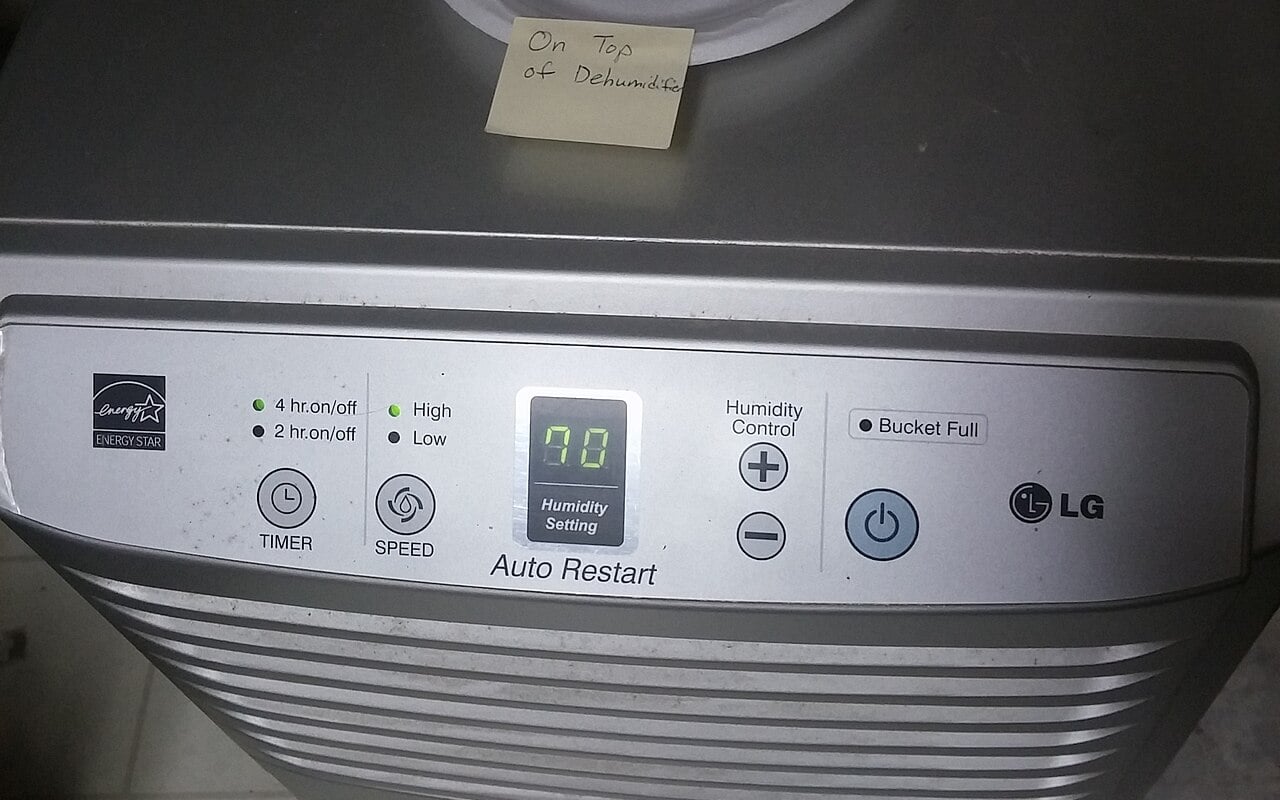
A portable dehumidifier can help a single room (especially a basement or a humid bedroom), but it’s not a solution for a whole-house humidity problem. Portable units are less efficient than whole-house units, require emptying the water bucket regularly, and add heat to the room they’re in. If you are deciding between standalone moisture control and a system fix, use the dehumidifier vs better HVAC setup guide before you spend money. If you have a whole-house humidity problem, fix the root cause rather than treating symptoms with a portable unit.
Q: Will a variable-speed AC help with humidity?
Yep - this is one of the best things about variable-speed (inverter) systems. They can run at a lower capacity for longer periods, which means better dehumidification without overcooling. A variable-speed system can run at 40% capacity for hours, slowly removing humidity while maintaining a steady temperature. This is the gold standard for comfort in humid climates.
Q: Why does my house feel less humid at night even though the AC runs less at night?
Because outdoor humidity drops at night, and the house naturally dries out. Also, your indoor activities (cooking, showering) have stopped, and there are fewer people in the house producing moisture. If your house still feels humid at night, the problem is more severe.
Q: Is there a way to measure indoor humidity without a special device?
A temperature-humidity sensor is cheap - under $20 on Amazon - and worth owning. You can also use the “glass of ice water” test: fill a glass with ice water and see if condensation forms on the outside. If it does, the relative humidity is above 50-55%. If there’s heavy condensation or water running down the glass, the humidity is well above 60%.
Q: Will adding more insulation help with humidity?
Insulation helps by keeping the indoor surfaces warmer in summer, which reduces condensation on walls and ceilings. But insulation doesn’t remove moisture from the air - that’s the AC’s job. Insulation is a supporting player, not the star.
Q: Can a smart thermostat control humidity?
Some smart thermostats have a dehumidify mode that overrides the temperature setting to run the AC longer for humidity removal. The thermostat will overcool slightly (by 1-3 degrees) to give the system more runtime. This works reasonably well as a bandage, but it doesn’t fix the root cause - you’re just running the AC more to compensate.