MERV Ratings Explained: Choosing the Right Home Air Filter
Understand MERV ratings, compare MERV 8, 11, and 13 filters, and choose cleaner indoor air without starving your HVAC system for airflow at home.
Articles on this site may include sponsored content. If they do, it's labeled clearly - and it still has to answer a real homeowner question. Same bar as everything else here.
MERV Ratings Explained for Cleaner Home Airflow
You walk down the filter aisle at the hardware store and see a wall of options - MERV 4, MERV 8, MERV 11, MERV 13. The prices range from three bucks to thirty. The guy stacking shelves shrugs when you ask which one you need. So you grab the cheapest, or the one with the most dramatic packaging, and you go home hoping you made the right call.
I’ve talked to dozens of homeowners who made the exact same choice - and half of them picked the wrong filter. Some bought the cheapest furnace filter they could find, thinking a filter is a filter, while their allergies got worse every spring. Others bought the highest MERV rating on the shelf, hoping for cleaner air, only to have their AC freeze up in July because the filter was too restrictive for their system.
MERV ratings aren’t complicated. The scale runs from 1 to 16, higher numbers catch smaller particles - and there’s a right answer for your home that balances air quality and system performance. Let me walk you through it.
If you are looking at filters because the house feels dusty, start with the broader guide to indoor air quality upgrades that matter before you spend extra on high-MERV filters alone.
The short version
MERV stands for Minimum Efficiency Reporting Value. It’s a 16-point scale that measures how well a filter catches particles of different sizes. MERV 1 catches the bare minimum - large dust and lint. MERV 16 catches the vast majority of airborne particles, including bacteria and smoke. For most homes, MERV 8 is the baseline, and MERV 11 is the sweet spot. MERV 13 is excellent filtration but requires a system designed to handle the airflow resistance. Never exceed your HVAC manufacturer’s recommended maximum MERV rating - and check your owner’s manual or ask a technician if you’re not sure.
How the MERV scale works
What the numbers actually mean
The MERV scale is based on how efficiently a filter captures particles in three size ranges: 0.3-1.0 microns, 1.0-3.0 microns, and 3.0-10.0 microns. A micron is one-millionth of a meter - for reference, a human hair is about 70 microns wide, and the smallest particles a standard filter catches are roughly the size of bacteria.
Here’s the MERV scale broken into practical ranges:
MERV 1-4 (basic). These catch particles larger than 10 microns - dust mites, pollen, sand, carpet fibers, lint. They’re essentially window screens for your HVAC system. They protect the equipment from large debris but do almost nothing for air quality. Most cheap fiberglass filters fall in this range. Don’t use them unless your system specifically requires them.
MERV 5-8 (standard residential). These catch particles from 3 to 10 microns - mold spores, pet dander, dust mite debris, fine dust. MERV 8 is the minimum rating recommended by most HVAC manufacturers for healthy operation. It provides decent filtration without significantly restricting airflow. A MERV 8 filter catches about 80-85% of particles in the 3-10 micron range.
MERV 9-12 (better residential). These catch particles from 1 to 3 microns - finer dust, auto emissions particles, lead dust, some bacteria. MERV 11 is the most common “upgrade” filter and catches about 90% of all particles down to 1 micron. If you have pets, allergies, or you live near a busy road, MERV 11 is worth the extra few dollars per filter.
MERV 13-16 (premium residential and commercial). These catch particles down to 0.3 microns - bacteria, virus carriers, smoke, cooking oil, most airborne allergens. MERV 13 catches about 90% of particles in the 0.3-1.0 micron range. MERV 14-16 is more common in hospitals and clean rooms than homes. These filters require careful consideration of your system’s blower capacity.
What each MERV rating catches
| MERV | Particle size | What it catches | Typical use |
|---|---|---|---|
| 1-4 | >10 microns | Dust mites, pollen, sand, carpet fibers | Basic protection |
| 5-6 | 3-10 microns | Mold spores, dust, lint | Minimal upgrades |
| 7-8 | 3-10 microns | Pet dander, dust mite debris | Standard homes |
| 9-10 | 1-3 microns | Fine dust, auto emissions | Allergy concerns |
| 11-12 | 1-3 microns | Bacteria (most), lead dust | Better air quality |
| 13 | 0.3-1 micron | Smoke, virus carriers, bacteria | Premium homes |
| 14-16 | 0.3-1 micron | Smoke particles, surgical contaminants | Hospitals/clean rooms |
The pressure drop problem - the part nobody talks about
Here’s the catch with higher MERV ratings that most homeowners never hear about: better filtration means more resistance to airflow. Every filter creates some drag on your blower motor. Higher MERV filters are denser, with more surface fibers packed together, so they create more drag.
What pressure drop does to your system
When a filter restricts airflow, your blower has to work harder to push the same amount of air through your ducts. If the restriction is too high, several things happen:
Your system uses more electricity. The blower motor draws more power to overcome the resistance. On an older PSC motor, this can be significant. On a newer ECM motor, the increase is smaller but still measurable.
Your evaporator coil can freeze. In cooling mode, low airflow means the remaining air doesn’t carry away enough heat from the coil. The coil gets too cold, and condensation turns to ice. A frozen coil means no cooling, potential compressor damage, and a service call.
Your heat exchanger can overheat. In heating mode, low airflow across a gas furnace’s heat exchanger causes the temperature inside to climb. Most furnaces have safety limits that shut the system down before damage occurs - but repeated overheating cycles shorten equipment life and can cause cracks in the heat exchanger over time.
Your duct system becomes less efficient. Air that can’t get through the filter has to go somewhere - usually through duct leaks or bypass paths, pulling unfiltered air from attics and crawlspaces.
The 1-inch filter problem
The most common cause of pressure drop issues is a high-MERV filter in a standard 1-inch slot. One-inch filters have very little surface area. A MERV 13 filter crammed into a 1-inch rack can have a pressure drop two to three times higher than a MERV 8 filter in the same slot. On an older system with a PSC blower, that’s often enough to cause problems.
The solution is either: stay at MERV 8 or 11 with 1-inch filters, or upgrade to a media filter cabinet (4 or 5 inches deep) that gives you enough surface area to run MERV 13 without excessive airflow resistance.
If a contractor mentions static pressure, that is the airflow measurement behind this problem. The plain-English guide to static pressure in HVAC systems explains why restrictive filters, tight ducts, and closed vents can stack into the same issue.
Which MERV rating should you use?
The safe baseline: MERV 8
If you don’t have specific health concerns, pets, or noticeable dust problems, MERV 8 is the right choice. It catches the majority of common household particles, it won’t restrict your system’s airflow, and the filters are cheap enough that you won’t hesitate to change them regularly. Change every 90 days (or more often if you have pets or live in a dusty area).
For a practical replacement schedule by filter size, season, pets, and runtime, use the HVAC filter change guide alongside the MERV rating on the package.
The sweet spot: MERV 11
If anyone in the house has seasonal allergies, you have dogs or cats, or you’re bothered by visible dust on surfaces within a day of dusting, MERV 11 is your best upgrade. It catches significantly more small particles than MERV 8 - pet dander, mold spores, finer dust - and the pressure drop increase is modest enough that most residential systems handle it fine in a 1-inch filter slot.
Cost per filter: $8 to $15. Change every 60 to 90 days.
The premium choice: MERV 13
If you have diagnosed asthma, severe allergies, or you live in an area with wildfire smoke or heavy pollution, MERV 13 filtration can make a real difference in how you feel. But you need to verify your system can handle it. If you have a 1-inch filter slot, a MERV 13 filter is likely too restrictive - consider a media filter cabinet first.
With a media cabinet (4- to 5-inch filter), MERV 13 filters run $25 to $45 and last 6 to 12 months. The deeper filter has enough surface area that the pressure drop stays reasonable.
What to avoid: MERV 1-4 and MERV 14+
MERV 1-4 filters are so ineffective at capturing particles that you’re barely filtering anything. They protect your blower from the largest debris - that’s it. If your system is in good shape, there’s no reason to use them.
MERV 14+ filters are overkill for residential use. They’re designed for hospitals, clean rooms, and commercial buildings with engineered air handling systems. The pressure drop is too high for standard residential blowers, and the cost per filter is prohibitive ($50+).
The relationship between MERV and filter material
Pleated vs fiberglass
Fiberglass filters (MERV 1-4) are cheap - usually a dollar or two - but they’re essentially a mesh screen. They stop the big stuff but let most particles pass through. They protect your equipment but do nothing for air quality.
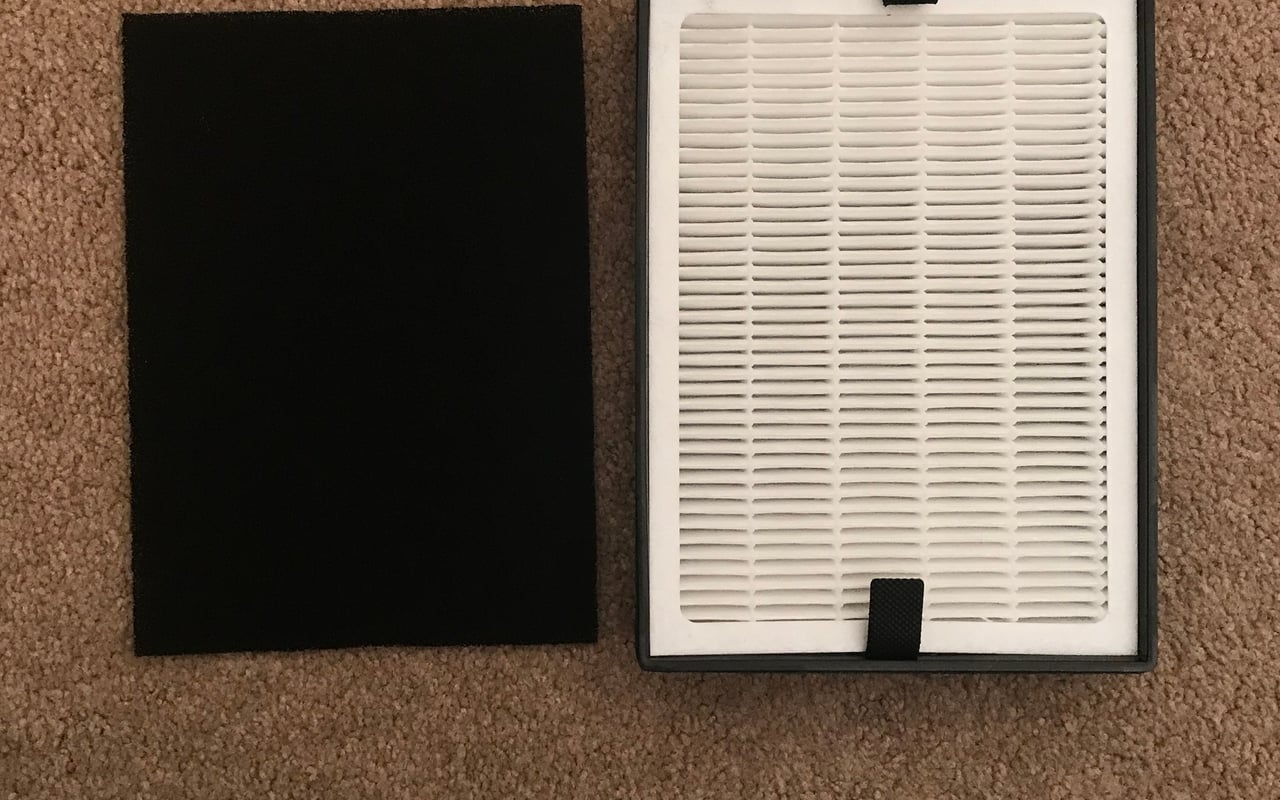
Pleated filters (MERV 5-13) use polyester or cotton fibers arranged in pleats to increase surface area. The pleated design allows the filter to catch more particles while maintaining better airflow than a flat media filter. Almost every residential upgrade filter is pleated.
Electrostatic filters use charged fibers to attract particles like a magnet. Some are washable and reusable. The catch is that their efficiency drops significantly once they get dirty, and some produce trace amounts of ozone (though most residential electrostatic filters are well within safe limits).
The washable filter debate
Washable filters (electrostatic or foam) are environmentally friendly in theory - you use one filter instead of throwing away a dozen every year. In practice, they’re rarely the best choice. Their filtration efficiency varies based on how well you clean them, and the washing process gradually breaks down the fibers. By the time they need replacing, most homeowners have been running a progressively less effective filter for months.
If you prefer washable for sustainability reasons, make sure it’s from a reputable manufacturer and clean it exactly as directed (typically with a gentle water rinse, no soap, and thorough drying). Still, a standard MERV 8 pleated filter is more predictable and usually performs better.
How often to change your filter
The standard rule is every 90 days, but the real answer depends on several factors:
- 1-inch filters with MERV 8 or higher: Every 30 to 60 days during peak usage (summer cooling, winter heating); every 90 days during shoulder seasons
- 1-inch filters with MERV 11 or higher: Every 30 to 45 days - the denser media loads up faster
- 4- or 5-inch media filters (any MERV): Every 6 to 12 months - the extra surface area holds much more
- Homes with pets: Cut the timelines in half. Cat and dog dander loads up filters fast
- Homes with smokers or heavy cooking: Every 30 days regardless of filter type
- Homes in wildfire-prone areas: Check monthly during fire season; change as soon as you notice discoloration
The best indicator is visual. Hold the filter up to a light once a month. If you can’t see light through it in most places, change it.
Common MERV rating myths
Myth: Higher MERV always means better air
Higher MERV means better filtration - up to the point where it restricts airflow so much that your system can’t function properly. The best filter is the highest MERV your system can handle without freezing coils or overheating the furnace. That’s typically MERV 8 or 11 for standard 1-inch slots, and MERV 11 to 13 for media filter cabinets.
Myth: A dirty filter cleans better than a clean one
This one shows up in every online forum and it’s wrong. The argument is that a partially loaded filter catches more because the particles create a denser filter media. In theory, that’s true for a few hours. In practice, the increased pressure drop from a dirty filter damages your system faster than the marginal filtration gain is worth. Change your filter on schedule.
Myth: All MERV 8 filters are the same
No. MERV is a minimum performance standard, not an exact specification. One brand’s MERV 8 might catch 82% of 3-micron particles; another brand’s might catch 88%. Both pass the MERV 8 threshold. The second one is better. Brand matters, but brand reputation for consistent manufacturing matters more. Stick with well-known filter manufacturers.
Myth: You should use the highest MERV rating your filter slot can hold
Your filter slot doesn’t determine the MERV rating - your system’s blower capacity and ductwork design do. You can physically fit a MERV 16 filter into a standard 1-inch slot. That doesn’t mean you should. The pressure drop will almost certainly be too high for a standard residential system.
Related HVAC guides
- If airflow feels weak after a filter change, compare the symptoms with supply vents vs return vents and why one room is hotter or colder than the rest.
- If dust or stale air is the bigger concern, read fresh air ventilation basics and when duct cleaning is and is not worth it before paying for add-ons.
- If the AC starts acting differently after a restrictive filter, check why your AC runs constantly and what short cycling means.
- If this is part of routine upkeep, use what HVAC maintenance should include and the spring AC checklist to keep filter choices tied to the whole system.
Quick Answers
Q: What is the best MERV rating for home use?
MERV 8 is the safe baseline for all homes. MERV 11 is the best balance of filtration and airflow for most residential systems. MERV 13 offers premium filtration but requires a media filter cabinet or confirmation from an HVAC technician that your system can handle the pressure drop.
Q: Can a high MERV filter damage my HVAC system?
Yes. A filter that’s too restrictive - typically MERV 13 or higher in a standard 1-inch slot - can reduce airflow enough to freeze your evaporator coil in summer, overheat your heat exchanger in winter, and increase your energy bills year-round.
Q: What MERV rating do hospitals use?
Hospitals typically use MERV 14 to 16 filters in their HVAC systems, along with HEPA filtration in specialized areas like operating rooms. Their systems are designed specifically for that level of filtration. Residential systems generally aren’t.
Q: How often should I change my HVAC filter?
Every 30 to 90 days for 1-inch filters, depending on usage, pets, and air quality conditions. Every 6 to 12 months for 4- or 5-inch media filters. Check monthly by holding the filter up to light.
Q: What’s the difference between MERV and HEPA?
HEPA (High-Efficiency Particulate Air) is a separate standard that requires capturing 99.97% of particles at 0.3 microns. That’s equivalent to roughly MERV 17 or higher on the extended MERV scale. True HEPA filtration requires significant air handler capacity and is rare in whole-home residential systems. Most “HEPA-type” or “HEPA-like” filters sold for home use are MERV 11 to 13, not true HEPA.
Q: Does a higher MERV filter lower my energy bills?
Not directly. In fact, a higher MERV filter that restricts airflow can increase your energy bills because your blower has to work harder. However, a properly matched MERV filter that keeps your coils clean can improve system efficiency over time. The energy benefit comes from the system running optimally, not from the filter itself.
Q: Should I use a MERV 13 filter during wildfire season?
If you live in an area prone to wildfire smoke, a MERV 13 filter can help significantly - but only if your system can handle it. If your system is borderline, use MERV 11 and run a standalone HEPA air purifier in the room you spend the most time in during smoke events. Never risk your HVAC system for temporary smoke.